
ISSCR News
New Podcast Episode. Two Decades of iPS Cells: Perspectives from the Field
In 2006, Kazutoshi Takahashi and Shinya Yamanaka at Kyoto University published their landmark paper showing that mouse skin cells could be reprogrammed to an embryonic-like state using just four transcription factors. Over the past two decades, this finding has taken the field of stem cell research in many new directions, opening new ways to study human development, understand and engineer cell fate, model disease, and explore new stem cell–based approaches to medicine. As part of the 20th anniversary celebration of induced pluripotent stem (iPS) cells, we invite leaders in the field to reflect on how the discovery of iPS cells has impacted their own research and the field of stem cell research and its applications more broadly. Together, their stories offer personal insights into how iPS cells have changed stem cell research forever.
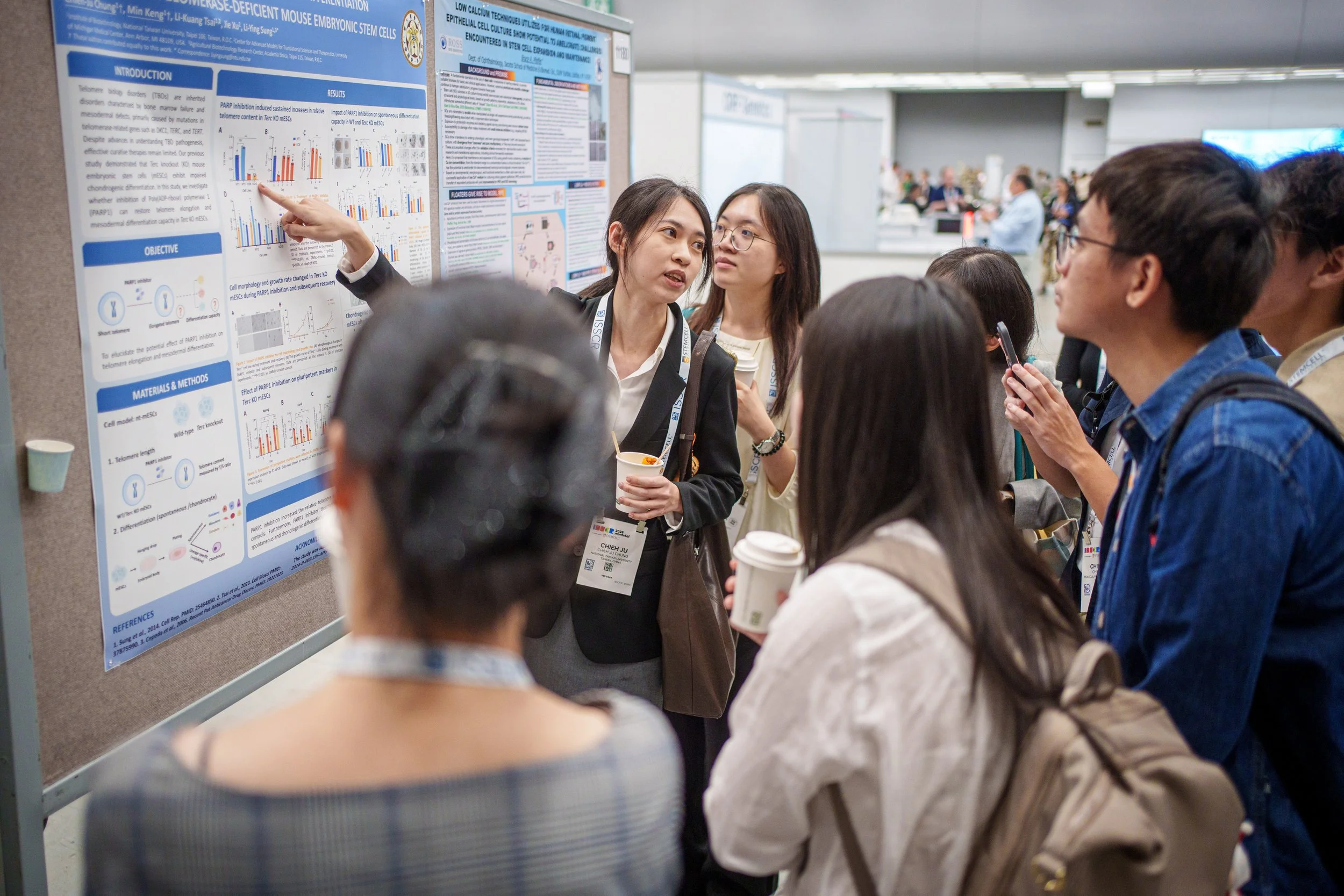
The ISSCR Opens 2027 Membership, Introduces $1 Student Membership for Low- and Middle-Income Countries
Join now and receive immediate access to ISSCR member benefits through the end of 2027
The International Society for Stem Cell Research (ISSCR) has opened membership for 2027, with a major new initiative designed to expand access to the global stem cell community. Student membership is now just $1 USD for students studying in low- and middle-income countries, as defined by the World Bank.
The new membership rate reflects the ISSCR’s commitment to supporting the future of stem cell science by making it easier for students around the world to connect with the research, people, and opportunities that can help shape their scientific careers. Through the ISSCR, students can learn from leaders across the field, showcase their own research, build relationships with scientists from around the world, and become part of the global community as they continue their education and pursue careers in stem cell science and regenerative medicine.
Individuals who join or renew now for 2027 begin enjoying the benefits immediately, providing access for the remainder of 2026 and throughout 2027.

Nominations Are Open for the 2027 ISSCR Board of Directors and the Society’s Annual Awards
Nominations are now open for the 2027 ISSCR Board of Directors and the Society’s annual awards.
The strength of the ISSCR comes from the expertise, perspectives, and contributions of its global community. This fall, members have two important opportunities to engage with the Society – helping to shape its future leadership and recognizing individuals and groups whose contributions are advancing stem cell science and the field.
Nominations for both opportunities are due on 16 October 2026.
New Podcast Episode. Repair the Second Brain
The enteric nervous system (ENS) is an intricate network of neurons and glia lining the gastrointestinal tract, regulating digestion and overall health. Loss of ENS neurons, as occurs in Hirschsprung disease, leads to intestinal obstruction, and treatment options remain limited. One therapeutic approach for the disease is stimulating resident stem cells to regenerate the ENS, and another is through cell therapy to replace the missing cells — but significant challenges remain in translating either one into treatments. Our guests today think about ENS repair through these two complementary lenses using zebrafish and stem cell-derived ENS neurons. Together, their work deepens our understanding of how the ENS develops, matures, and regenerates, and lays the groundwork for future therapies.

The ISSCR and The Stem Cell Podcast Launch Early Career Research Series to Spotlight Emerging Leaders in Stem Cell Science
First episode features Drs. Yifei Miao and Anca Pașca discussing advances in tissue engineering and brain organoid research
The International Society for Stem Cell Research (ISSCR) and The Stem Cell Podcast have launched a new Early Career Research Series designed to showcase the next generation of scientists advancing stem cell research and regenerative medicine.
Created in partnership with the ISSCR Early Career Advisory Committee, the series provides a platform for outstanding early career investigators to share their latest discoveries, discuss the questions driving their research, and highlight the innovative approaches shaping the future of the field. By amplifying emerging scientific voices, the collaboration aims to increase visibility for rising investigators while making cutting-edge stem cell research accessible to the global scientific community.
Receive ISSCR Press Releases
Sign up be a part of ISSCR’s media list. Media Contact: Kym Kilbourne, Director of Media and Strategic Communications
Subscribe to ISSCR News.
Each month, ISSCR delivers scientific, policy, and community to your inbox .