
ISSCR News
New Podcast Episode. Two Decades of iPS Cells: Perspectives from the Field
In 2006, Kazutoshi Takahashi and Shinya Yamanaka at Kyoto University published their landmark paper showing that mouse skin cells could be reprogrammed to an embryonic-like state using just four transcription factors. Over the past two decades, this finding has taken the field of stem cell research in many new directions, opening new ways to study human development, understand and engineer cell fate, model disease, and explore new stem cell–based approaches to medicine. As part of the 20th anniversary celebration of induced pluripotent stem (iPS) cells, we invite leaders in the field to reflect on how the discovery of iPS cells has impacted their own research and the field of stem cell research and its applications more broadly. Together, their stories offer personal insights into how iPS cells have changed stem cell research forever.
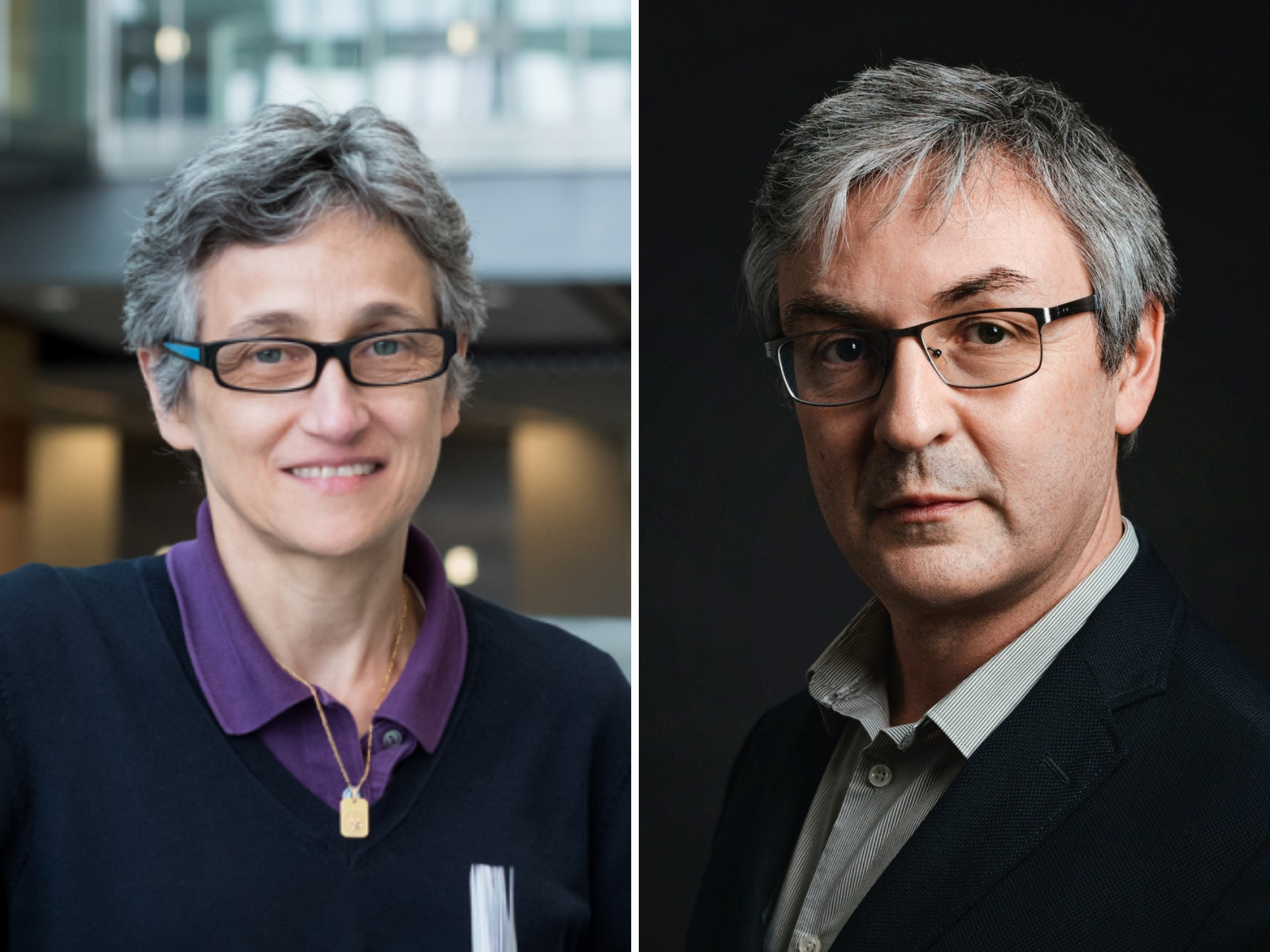
Stem Cell Reports Welcomes Dominique Bonnet and Frederic Relaix as Associate Editors
Leading researchers bring expertise in hematopoietic and muscle stem cells to the ISSCR’s open access peer-reviewed journal
The International Society for Stem Cell Research (ISSCR) announces the appointment of Dominique Bonnet, Ph.D., and Frederic Relaix, Ph.D., as Associate Editors of Stem Cell Reports, the official journal of the ISSCR.
Drs. Bonnet and Relaix bring internationally recognized expertise spanning hematopoietic and muscle stem cell biology, development, regeneration, disease modeling, and translational research. Their appointments further strengthen the journal’s editorial expertise across fundamental and disease-focused stem cell research.
Stem Cell Model of Diabetic Kidney Disease Identifies Inflammation as Therapeutic Target
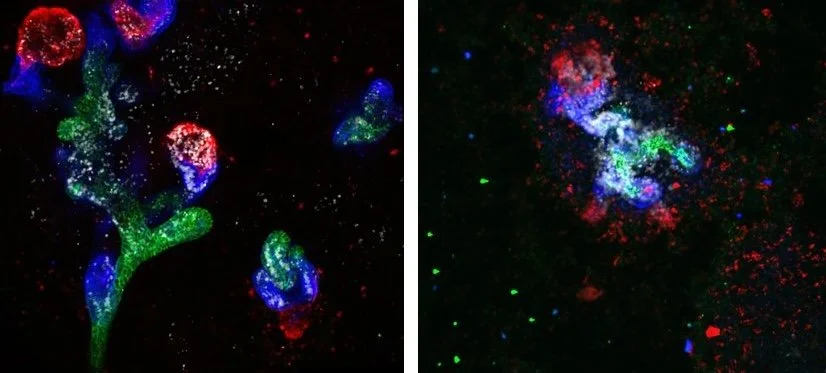
Stem cell researchers have identified inflammatory pathways that may play a key role in driving kidney damage in diabetic kidney disease (DKD), pointing to potential new approaches for protecting the kidneys. Using stem cell-derived kidney organoids, Benjamin Freedman and colleagues from the University of Washington, USA, found that exposure to high sugar levels triggered inflammation and disrupted the organoids’ typical kidney tissue-like structure, causing individual kidney cells to detach. These changes were reminiscent of those observed in kidney biopsies and urine samples from patients with DKD. The research was published today in the peer-reviewed journal, Stem Cell Reports.
New Podcast Episode. Repair the Second Brain
The enteric nervous system (ENS) is an intricate network of neurons and glia lining the gastrointestinal tract, regulating digestion and overall health. Loss of ENS neurons, as occurs in Hirschsprung disease, leads to intestinal obstruction, and treatment options remain limited. One therapeutic approach for the disease is stimulating resident stem cells to regenerate the ENS, and another is through cell therapy to replace the missing cells — but significant challenges remain in translating either one into treatments. Our guests today think about ENS repair through these two complementary lenses using zebrafish and stem cell-derived ENS neurons. Together, their work deepens our understanding of how the ENS develops, matures, and regenerates, and lays the groundwork for future therapies.
New Study Examines Variable Outcomes of Stem Cell Injections for Knee Osteoarthritis and Strategies to Improve Consistency
Knee osteoarthritis (KOA) affects more than 1 in 10 people over 40 years of age, impairing patients’ mobility and quality of life. With limited treatment options, stem cell injections have been promoted as a treatment option, but evidence of efficacy from clinical trials or claims from clinics selling untested options often lacking. Even where well-designed clinical trials were performed, there was no clear consensus about the benefit of stem cell injections for KOA, likely due to the many variables at play.
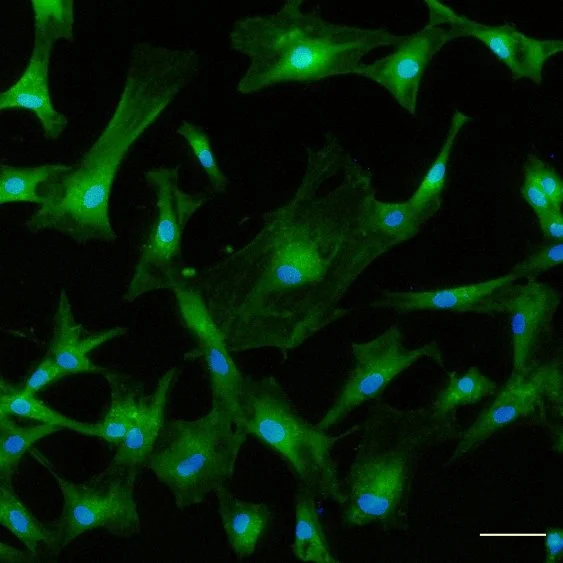
A major source of variability comes from the cells used for injections. Mesenchymal stromal cells (MSCs), which can be isolated from e.g. fat or bone marrow, are frequently used to treat KOA in clinical studies. Using a patient's own cells reduces the risk of an immune response and any inadvertent transmission of pathogens but the quality and the therapeutic potential of MSCs varies between patients, contributing to heterogeneous treatment outcomes. Predicting MSC potency could be a powerful tool to achieve more consistent therapeutic in such therapeutic settings.
To tackle the issue of MSC treatment heterogeneity, Sowmya Viswanathan from the Schroeder Arthritis Institute, University Health Institute, Canada, along with colleagues performed a long-term follow-up to a Health Canada-authorized phase I/IIa clinical trial (NCT02351011) with KOA patients receiving MSC injections, whereby the MSCs were derived from the patients’ own bone marrow. The work was published today in Stem Cell Reports.
Receive ISSCR Press Releases
Sign up be a part of ISSCR’s media list. Media Contact: Kym Kilbourne, Director of Media and Strategic Communications
Subscribe to ISSCR News.
Each month, ISSCR delivers scientific, policy, and community to your inbox .