
ISSCR News
Long-Term Clinical Data Advance Stem Cell Research for Chronic Stroke Recovery Presented Today at ISSCR 2026 in Montréal, Canada
Previously unpublished long-term clinical and imaging findings from participants treated with an induced pluripotent stem cell (iPSC)-derived neural progenitor cell therapy for chronic ischemic stroke were presented today at the ISSCR 2026 Annual Meeting.
The data include extended follow-up from Phase I studies evaluating hNPC01, an iPSC-derived forebrain neural progenitor cell therapy designed to promote repair of stroke-damaged brain tissue. The findings provide new insight into the long-term safety, feasibility, and biological activity of this regenerative approach in patients living with chronic motor disability following stroke.
The International Stem Cell Research Community Convenes in Montréal as ISSCR 2026 Opens with Visionary Science and Global Collaboration
The International Society for Stem Cell Research (ISSCR) today opened its 2026 Annual Meeting in Montréal, bringing together thousands of scientists, clinicians, industry leaders, regulators, trainees, and patient advocates from around the world for four days of scientific discovery, collaboration, and innovation across the stem cell field.
Co-sponsored by STEMCELL Technologies, ISSCR 2026 showcases the full spectrum of stem cell research from fundamental discoveries in developmental biology to emerging clinical advances, disease modeling, regenerative medicine, gene editing, and new technologies that are shaping the future of biomedical science.
Encellin Announces New Phase 1 Clinical Progress at ISSCR 2026 Showing Early Evidence of Non-Fibrotic Engraftment of Cell Therapy Implant for Type 1 Diabetes
Encellin today announced new clinical progress from its ongoing Phase 1 study evaluating its implantable cell therapy platform for people with type 1 diabetes. The company made the announcement in connection with the International Society for Stem Cell Research (ISSCR) 2026 Annual Meeting, reporting non-fibrotic engraftment across all seven participants enrolled in the trial, along with host vascularization at the implant site and identification of transplanted islets in multiple participants. The findings build upon interim results first reported in January 2026 and reflect a larger patient cohort, with analysis of the full clinical dataset ongoing.

Take Action to Preserve Merit-Based Science and International Collaborations
The White House Office of Management and Budget (OMB) has proposed a new rule titled “Regulation for Federal Financial Assistance” that will significantly reshape how the U.S. government funds and manages scientific research, including international collaborations, through the National Institutes of Health (NIH) and other agencies. All ISSCR members, regardless of whether you are U.S.-based or not, are eligible to provide comment on the proposed policy.
Though the rule is extensive and applies to all federal grantmaking, there are several areas where input from our community is critical.
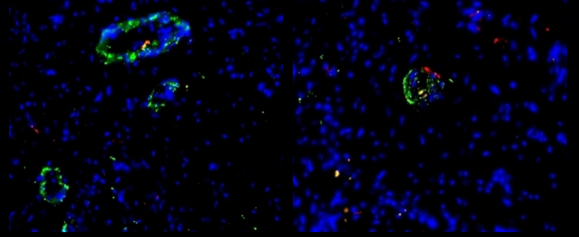
Vascular Organoid Patches Offer New Hope for Coronary Artery Disease Treatment
Ischemic heart disease (IHD), also known as coronary artery disease, is a leading cause of death and morbidity in western countries. IHD arises when blood vessels of the heart become clogged, blunting oxygen and nutrient supply to heart muscle cells, which eventually die off, leading to heart attack or heart failure. Although larger blood vessels can be replaced surgically to restore blood flow, there is currently no treatment targeting smaller blood vessels, so-called microvessels, which are essential for the uniform blood circulation within the heart muscle.
Yasuhiro Shudo and his team from Stanford University, USA have tested a method to regenerate microvessels in the heart with stem cell-derived vascular organoids. Their work was published today in Stem Cell Reports.
Receive ISSCR Press Releases
Sign up be a part of ISSCR’s media list. Media Contact: Kym Kilbourne, Director of Media and Strategic Communications
Subscribe to ISSCR News.
Each month, ISSCR delivers scientific, policy, and community to your inbox .