
ISSCR News
Stem Cell Model of Diabetic Kidney Disease Identifies Inflammation as Therapeutic Target
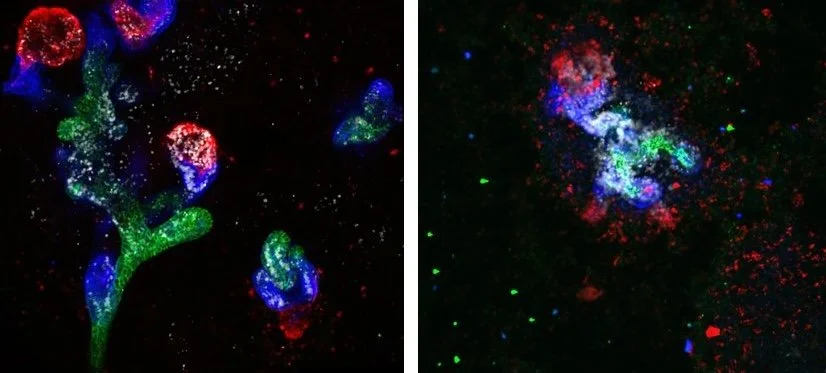
Stem cell researchers have identified inflammatory pathways that may play a key role in driving kidney damage in diabetic kidney disease (DKD), pointing to potential new approaches for protecting the kidneys. Using stem cell-derived kidney organoids, Benjamin Freedman and colleagues from the University of Washington, USA, found that exposure to high sugar levels triggered inflammation and disrupted the organoids’ typical kidney tissue-like structure, causing individual kidney cells to detach. These changes were reminiscent of those observed in kidney biopsies and urine samples from patients with DKD. The research was published today in the peer-reviewed journal, Stem Cell Reports.

The ISSCR Responds to FDA’s Draft Guidance on Leveraging Prior Knowledge in the Development of Human Gene Therapy Products Incorporating Genome Editing
On 1 September, the ISSCR submitted comments to the Food and Drug Administration’s draft guidance for Leveraging Prior Knowledge in the Development of Human Gene Therapy Products Incorporating Genome Editing. ISSCR supports FDA’s desire to share the Agency’s current thinking on the type of prior knowledge (i.e., public and platform knowledge) that may be scientifically appropriate to leverage to advance product development.
New Podcast Episode. Repair the Second Brain
The enteric nervous system (ENS) is an intricate network of neurons and glia lining the gastrointestinal tract, regulating digestion and overall health. Loss of ENS neurons, as occurs in Hirschsprung disease, leads to intestinal obstruction, and treatment options remain limited. One therapeutic approach for the disease is stimulating resident stem cells to regenerate the ENS, and another is through cell therapy to replace the missing cells — but significant challenges remain in translating either one into treatments. Our guests today think about ENS repair through these two complementary lenses using zebrafish and stem cell-derived ENS neurons. Together, their work deepens our understanding of how the ENS develops, matures, and regenerates, and lays the groundwork for future therapies.


Lorenz Studer Begins Term as President of the International Society for Stem Cell Research
Internationally recognized stem cell scientist and regenerative medicine pioneer to lead the Society during its 25th anniversary year
The International Society for Stem Cell Research (ISSCR) today announces that Lorenz Studer, M.D., founding director of the Center for Stem Cell Biology at Memorial Sloan Kettering Cancer Center, USA, has started his term as President of the Society.
Dr. Studer is known globally for his pioneering advances in stem cell biology, regenerative medicine, and the development of stem cell-based therapies for neurodegenerative disease. His research has established widely adopted methods for generating specialized neural cell types from human pluripotent stem cells, providing foundational tools for disease modeling, drug discovery, and regenerative medicine. Dr. Studer’s laboratory has also led efforts to translate these discoveries toward clinical applications, including stem cell-derived therapies for Parkinson's disease.
Receive ISSCR Press Releases
Sign up be a part of ISSCR’s media list. Media Contact: Kym Kilbourne, Director of Media and Strategic Communications
Subscribe to ISSCR News.
Each month, ISSCR delivers scientific, policy, and community to your inbox .